


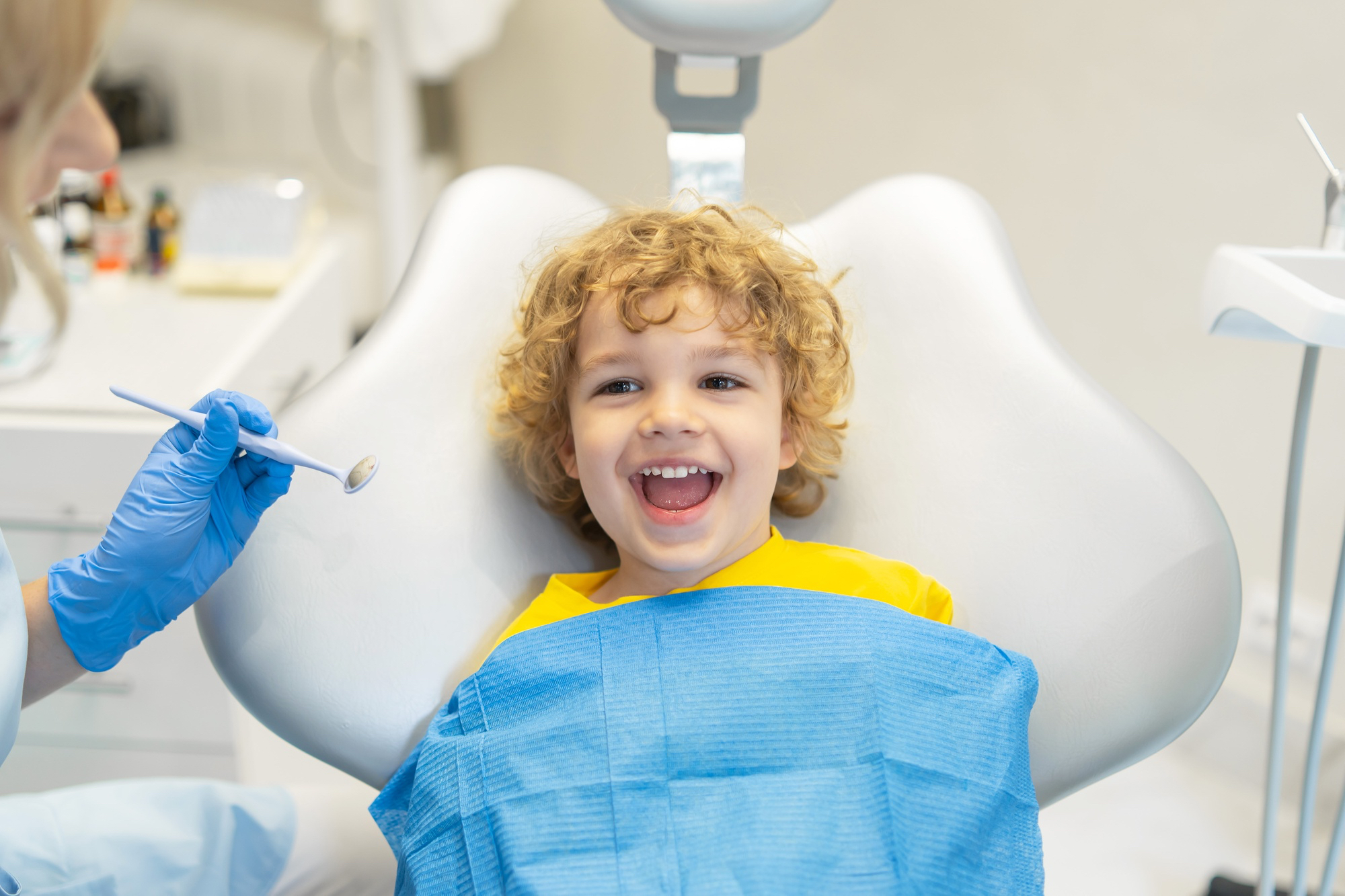
For many kids, a trip to the dentist can feel like stepping into the great unknown—a strange chair, unfamiliar tools, and people poking around in their mouth? No wonder it can trigger anxiety. As a parent, watching your child struggle with fear at the dentist can be just as stressful for you.
But here’s the good news: dental anxiety is common, manageable, and often preventable, especially with the right approach and a little patience. A positive experience early on can shape your child’s attitude toward dental visits for life. Here’s how to make that happen.
Why Are Kids Afraid of the Dentist?
Children fear the dentist for the same reasons adults do—but often with less context. Common triggers include:
- Fear of the unknown
- Sensory overload (sounds, smells, bright lights)
- Separation anxiety from parents
- Fear of pain or needles
- Negative stories from siblings or friends
The earlier you can introduce your child to the dentist—and the more consistently you go, the less frightening it becomes.
Start Early & Start Small
The best way to reduce dental anxiety is to make the dentist Jefferson Park feel familiar. Schedule your child’s first visit by their first birthday or when their first tooth appears. These early visits are usually short and gentle, focusing on helping your child feel safe and comfortable in the environment.
Think of it as a “meet and greet” with the dentist—no pressure, no poking, just smiles and maybe a high-five.
Pro Tips for Reducing Dental Anxiety in Children
1. Use Positive Language
Avoid words like “pain,” “shot,” or “drill.” Instead, talk about the dentist in a fun, light way:
“We’re going to the tooth doctor to get your smile checked!”
“The dentist helps keep your teeth shiny and strong!”
Let the dental team explain procedures in age-appropriate ways—they’re trained to do it without creating fear.
2. Read Books or Watch Videos About the Dentist
There are many great children’s books and cartoons that explain what happens at the dentist in a friendly, playful way. These stories help kids see the dentist as a normal and even fun experience.
3. Play “Dentist” at Home
Pretend to be the dentist at home by having your child open wide while you “check” their teeth with a toothbrush. Then switch roles and let them be the dentist for a stuffed animal or doll. This kind of imaginative play can make the real thing feel less intimidating.
4. Choose a Kid-Friendly Dentist
A pediatric dentist or family dentist who regularly sees children will know exactly how to handle anxiety. Look for an office that offers a calm, welcoming atmosphere—with things like toys, cartoons, and staff who speak kid language.
5. Stay Calm & Present
Your child takes emotional cues from you. If you’re nervous, they’ll pick up on it. Smile, speak gently, and avoid showing any signs of stress. During the visit, stay close, offer encouragement, and use simple phrases like “You’re doing great!” or “Almost done!”
6. Use Rewards Thoughtfully
Instead of bribing your child (“If you go to the dentist, I’ll get you ice cream”), try using positive reinforcement after the visit. “You were so brave—let’s pick a fun sticker/book/toy!” This makes bravery the focus, not the reward.
What If the Visit Doesn’t Go Perfectly?
That’s okay! Some children will cry, fuss, or resist and that’s normal. A good dentist understands this and will never force or shame a child. Sometimes it takes a few visits before your child feels fully comfortable. Be patient, and remember: consistency is key.
Dental anxiety in children is common, but it doesn’t have to define their experience. With early exposure, a positive attitude, and a compassionate dentist, your child can grow up feeling confident, safe, and even excited about taking care of their teeth. Start small, stay patient, and celebrate every little win along the way.
